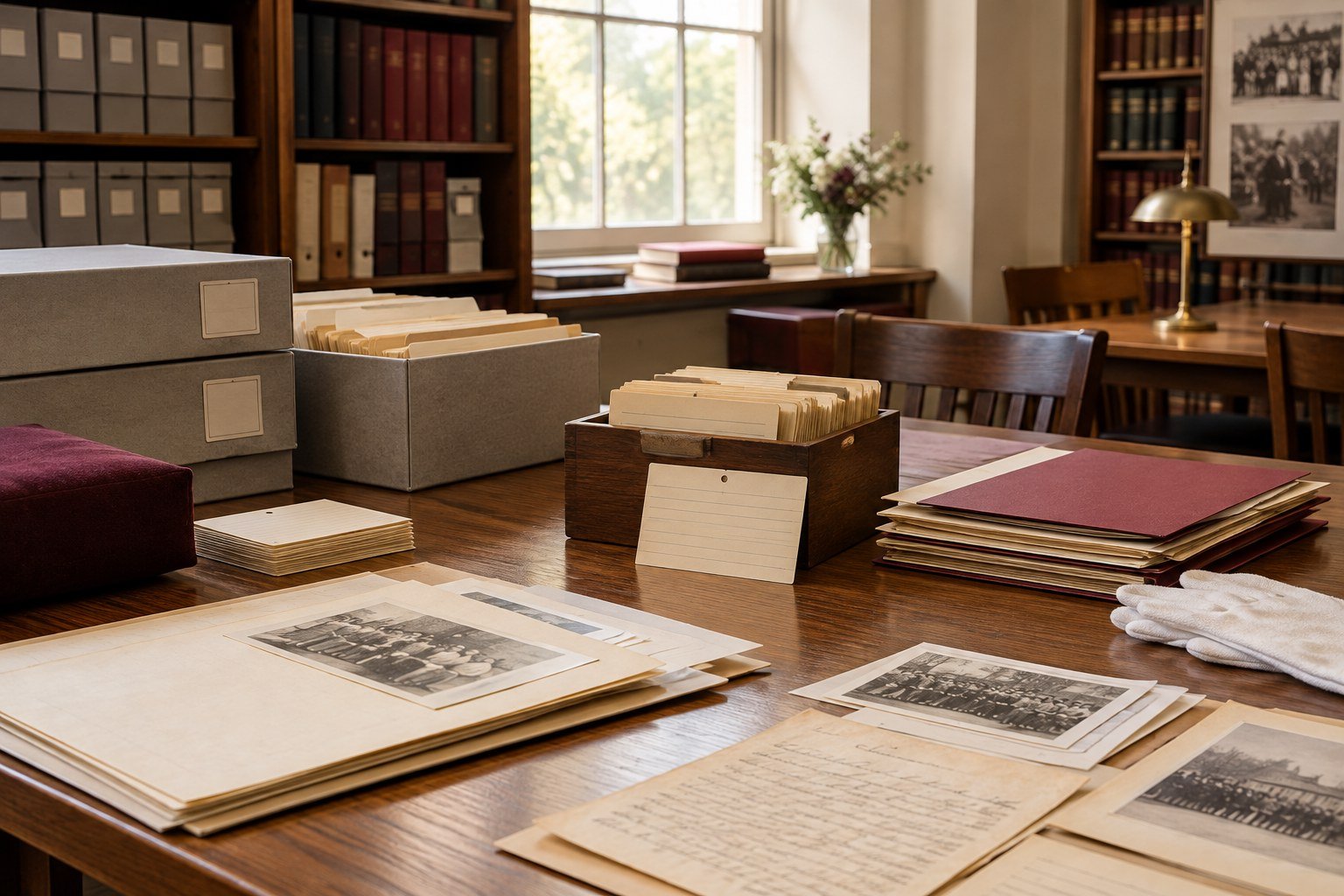
Sherrill Redmon’s name is often encountered through her connection to U.S. politics. Her documented professional record, however, is rooted in archives and women’s history. Smith College identifies Redmon as director of the Sophia Smith Collection from 1993 to 2012, a role that placed her at the center of preserving and making women’s historical records available to researchers.
Who is Sherrill Redmon?
Sherrill Redmon is an archivist best known for her leadership of the Sophia Smith Collection (SSC) at Smith College. The college’s record of a celebration held in her honor describes her as the collection’s director from 1993 through 2012. That institutional record gives a clear, reliable outline of her professional role without relying on unsourced biographical claims.
In a 2000 Smith College article, Redmon described the SSC as a repository of manuscripts, photographs, periodicals, and other primary sources documenting women’s history. The collection has supported research into subjects including women’s equality, work and professions, social reform, and political and cultural life. Her remarks show the practical value of archives: they preserve evidence that helps people study how movements and communities changed over time.
Her work at the Sophia Smith Collection
Leading a historical collection involves more than caring for old papers. Archivists help identify and organize records, preserve them for future use, and connect researchers with material that can answer new questions. Smith’s 2000 account shows the broad scope of the collection Redmon led and the range of people who used it—from historians to students in fields such as government, sociology, literature, and science.
The value of that work is especially clear in oral history. Smith College’s account of the Voices of Feminism Oral History Project says it includes more than 50 in-depth video interviews documenting women’s organizing in the later twentieth century. The project covers labor, peace, anti-racism, the arts, LGBTQ+ rights, anti-violence work, and reproductive justice.
Sherrill Redmon and oral history
A 2023 Smith College profile of activist and scholar Loretta Ross describes one example of Redmon’s archival work. Redmon and Joyce Follet interviewed Byllye Avery, founder of the National Black Women’s Health Project. Avery then suggested they interview Ross. That conversation led to Ross contributing papers and taking part in an oral history for the collection.
This account illustrates how an archive grows: one interview can lead to another, creating a record that future students and researchers can consult. It also gives readers a concrete, sourced example of Redmon’s role in building a collection around women’s voices and activism.
Why Sherrill Redmon’s work matters
Historical records can be incomplete or difficult to find, especially when the people and movements behind them were overlooked. Collections such as the Sophia Smith Collection preserve primary material and oral testimony so researchers can examine those histories directly. Redmon’s tenure is part of the collection’s institutional story, and the projects documented by Smith show how that work can continue to serve the public long after an interview or donation is made.
What about her connection to Mitch McConnell?
Some readers search for Sherrill Redmon because of her past marriage to Mitch McConnell. The University of Houston Libraries catalog includes a 2017 interview with Redmon and identifies a section on her personal history and marriage to McConnell. The same record lists topics including campaigning, academia, archives, motherhood, and Gloria Steinem. This article keeps its main focus on her independently documented archival work rather than speculating about private details.
Frequently asked questions
What was Sherrill Redmon’s role at Smith College?
She directed the Sophia Smith Collection from 1993 to 2012, according to Smith College’s event record.
What is the Sophia Smith Collection?
It is a Smith College women’s history collection of manuscripts, photographs, periodicals, and other primary sources. Its oral history materials include interviews documenting women’s organizing and activism.
Did Sherrill Redmon work on oral histories?
Yes. Smith College’s published account documents her role in interviews connected to the Sophia Smith Collection, including the interview that led to Loretta Ross’s participation.