Last reviewed: October 2026
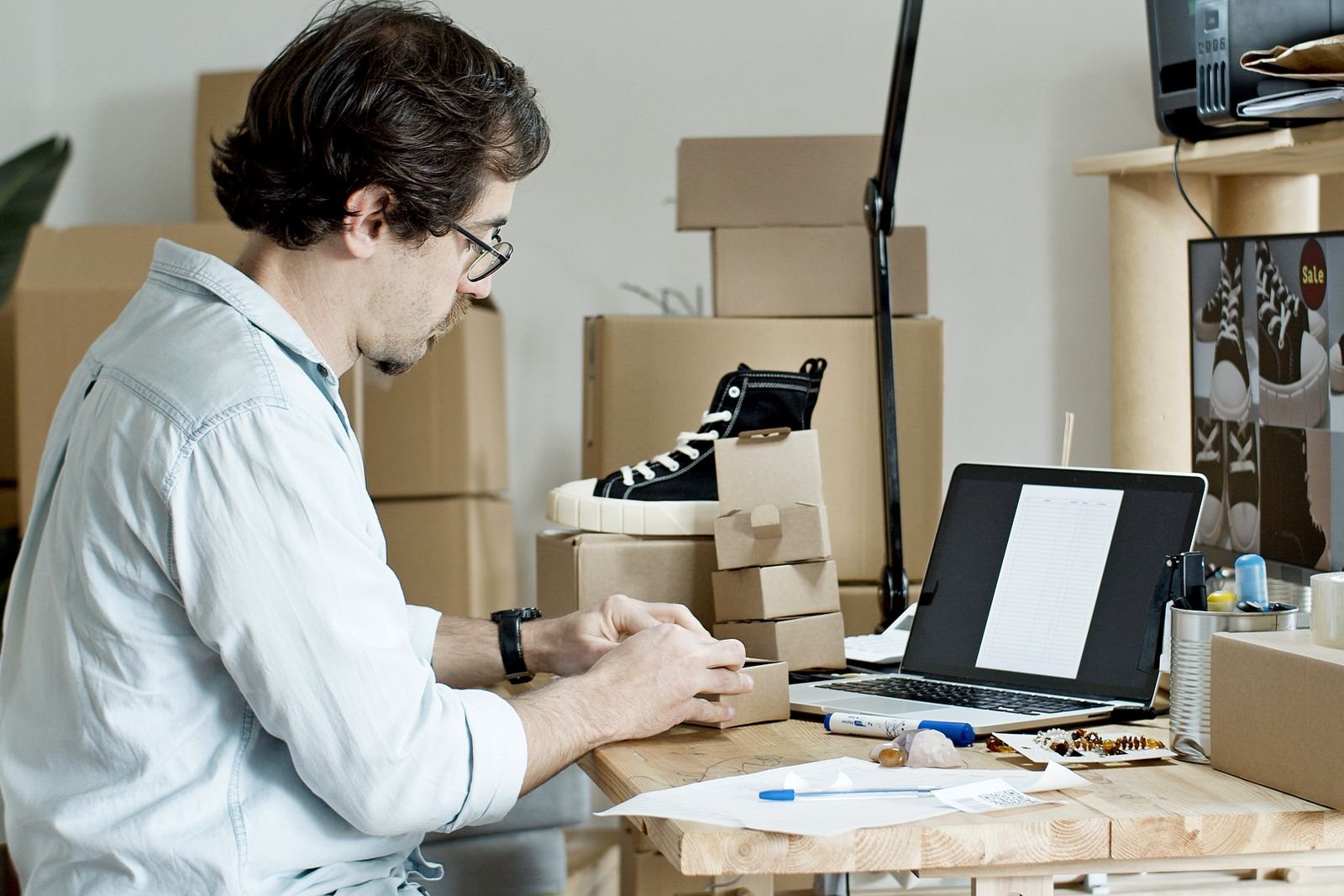
Dropshipping is easy to start and hard to profit from. You don’t hold inventory, but you still carry the risks: thin margins, supplier mistakes, slow shipping, and customer complaints that land on your store. This guide covers what changed for sellers recently, how to judge a niche, and ten product areas worth testing, with the trade-offs of each.
What Has Changed for Dropshippers
For years, many stores shipped low-value parcels from overseas warehouses straight to U.S. customers without import duties under the “de minimis” exemption. That exemption was suspended for all countries on August 29, 2025, as reported by OPB, and industry sources such as Fulfillrite note that cheap overseas dropshipping to the U.S. now faces duties, delays, and higher landed costs. If you sell to U.S. customers, price your products with duties in mind or look for suppliers that ship from inside the country. Rules vary by country and change often, so check official customs guidance for your market.
How to Judge a Dropshipping Niche
- Margin after all costs. Subtract product cost, shipping, payment fees, ad spend, and returns before calling a product profitable.
- Delivery time. Slow shipping drives refunds and chargebacks. In the U.S., the FTC’s Mail, Internet, or Telephone Order Merchandise Rule expects sellers to have a reasonable basis for the shipping times they state.
- Return and defect rates. Electronics and clothing sizes tend to bring more returns than consumables.
- Competition and brand room. A niche with a clear audience lets you compete on trust and content rather than price alone.
- Compliance. Some categories, such as supplements, cosmetics, and children’s products, have labeling or safety rules.
Ten Niches Worth Testing
| Niche | Why it can work | Main risk |
|---|---|---|
| Eco-friendly household goods | Steady interest in reusable items | “Green” claims must be accurate and provable |
| Pet supplies | Owners buy repeatedly and care about quality | Safety standards and product liability |
| Home fitness accessories | Small, light items that ship cheaply | Crowded market; avoid health claims |
| Craft and hobby kits | Enthusiasts spend on repeat supplies | Supplier stock can run out |
| Home organization | Practical, evergreen demand | Easy for rivals to copy |
| Baby and toddler accessories | Parents search for specific solutions | Strict safety regulations |
| Car accessories | Clear audience by vehicle type | Fitment errors cause returns |
| Smartphone accessories | High volume | Low margins and heavy competition |
| Skincare tools (non-ingestible) | Strong social content potential | Avoid medical claims |
| Print-on-demand products | No stock and easy to personalize | Design originality and copyright |
Smarter Ways to Run the Business
- Order samples from every supplier and judge quality and packaging yourself.
- Prefer suppliers close to your customers for faster delivery and fewer customs problems.
- Write your own product pages and photos instead of copying supplier text, which helps both trust and search visibility.
- Publish clear shipping, return, and contact policies.
- Beware of “done-for-you” courses. The FTC has taken action against several companies that sold get-rich-quick online store programs, so research any paid program before buying.
Frequently Asked Questions
Is dropshipping still profitable?
It can be, but margins are thinner than the marketing suggests, and higher import costs have hit sellers who rely on cheap overseas shipping. Success usually comes from a focused niche, reliable suppliers, and good customer service.
How much money do I need to start?
Platform fees, a domain, samples, and test advertising add up. Many beginners spend a few hundred dollars or more before seeing sales, and results are never guaranteed.
How do I find reliable suppliers?
Look for verified business details, order samples, check reviews from other merchants, and test delivery speed to your main customer locations.
Do I need to register a business?
Requirements depend on your country and local rules, including taxes and sales permits. Ask an accountant or check your government’s small business guidance.
Which products should I avoid?
Be careful with branded items you aren’t authorized to sell, regulated products, and anything with high return rates or safety risks.
This article is general information, not financial or legal advice.
Featured image: photo by Kampus Production from Pexels.