Last reviewed: October 2026
Acubi (pronounced roughly “ah-koo-bee”) is a fashion aesthetic that began in South Korea and spread worldwide through social media. It is not a single clothing brand, even though the name comes from one. This guide explains where the term comes from, what defines the look, and how to build it without copying a costume.
What Is Acubi Fashion?
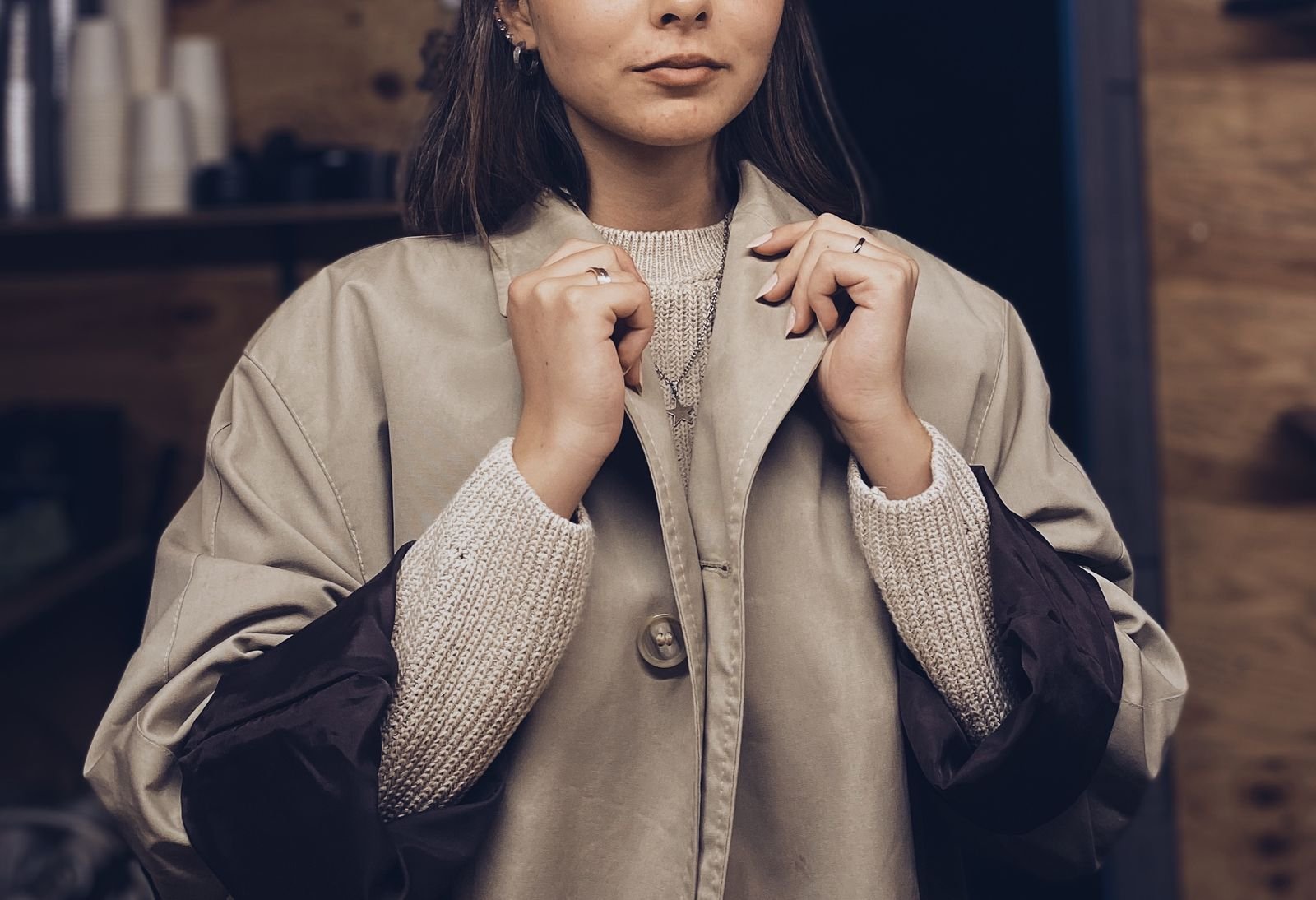
Acubi is a minimalist, layered style that mixes nostalgic Y2K shapes with muted colors and a touch of soft grunge. Think fitted baby tees, wide-leg or cargo pants, cardigans, and cropped jackets, usually in neutral tones. It tends to feel quiet and understated compared with the sparkly, maximalist side of Y2K fashion.
Where Does the Name Come From?
The word is an English spelling of the Korean 아쿠비 and refers to Acubi Club, a Seoul-based label widely credited as the starting point of the style, according to Her Campus. Reporting from Mezha dates the look’s emergence to around 2021 and notes that K-pop groups such as NewJeans, Aespa, and Blackpink helped it reach a global audience. Korean media have also noted that the style felt past its peak in Seoul while it was just taking off overseas, which is common for trends that travel.
Key Features of the Acubi Look
| Element | What it usually looks like |
|---|---|
| Palette | Black, white, gray, beige, and other muted tones, sometimes with one small accent |
| Tops | Baby tees, fitted knits, cropped cardigans, bolero jackets |
| Bottoms | Wide-leg pants, cargo pants, skorts, long skirts |
| Layering | Several thin layers rather than one heavy statement piece |
| Details | Knee-high socks, simple bags, subtle hardware, minimal jewelry |
How Acubi Differs From Y2K Fashion
Y2K fashion often leans on rhinestones, velour, bright colors, and very low-rise cuts. Acubi borrows the silhouettes but drops most of the shine and color, aiming for a calmer, more wearable outfit. Her Campus describes it as sitting between Y2K and the more experimental “subversive basics” look.
How to Build an Acubi Outfit
- Start with a neutral base. A fitted baby tee or thin knit in black, white, or gray works well.
- Add a second layer. A cropped cardigan or bolero adds shape without bulk.
- Choose a relaxed bottom. Wide-leg trousers or cargo pants balance the fitted top.
- Keep accessories simple. Knee-high socks, a small shoulder bag, and one or two quiet details are enough.
- Adjust for the season. In winter, add a long coat or scarf; in summer, swap knits for lightweight cotton.
Where to Find Acubi Pieces
Korean platforms such as Musinsa carry many labels linked to the style, and mainstream retailers now sell similar basics. Secondhand and thrift shops are also good sources for plain tees, cardigans, and trousers. Because the look relies on simple pieces, it works well with clothes you already own, and buying fewer, longer-lasting items is easier on both your budget and the environment than chasing every micro-trend.
Frequently Asked Questions
Is Acubi a brand or a style?
Both, in a sense. Acubi Club is a Seoul-based label, and its name became shorthand for the style that grew around it.
Is Acubi the same as Y2K fashion?
No. It borrows Y2K silhouettes but uses muted colors and minimal styling instead of bright, glittery pieces.
Can I wear Acubi outfits in winter?
Yes. The style is built on layering, so it adapts well to cold weather with knits, long coats, and scarves.
Do I need to buy from Korean brands?
No. The look depends on shapes and colors, so plain basics from any store, including secondhand shops, can work.
Sources
Featured image: photo by Sanem Atasoy from Pexels.